
Mill Road STEAM Camp ignites imagination, scientific exploration
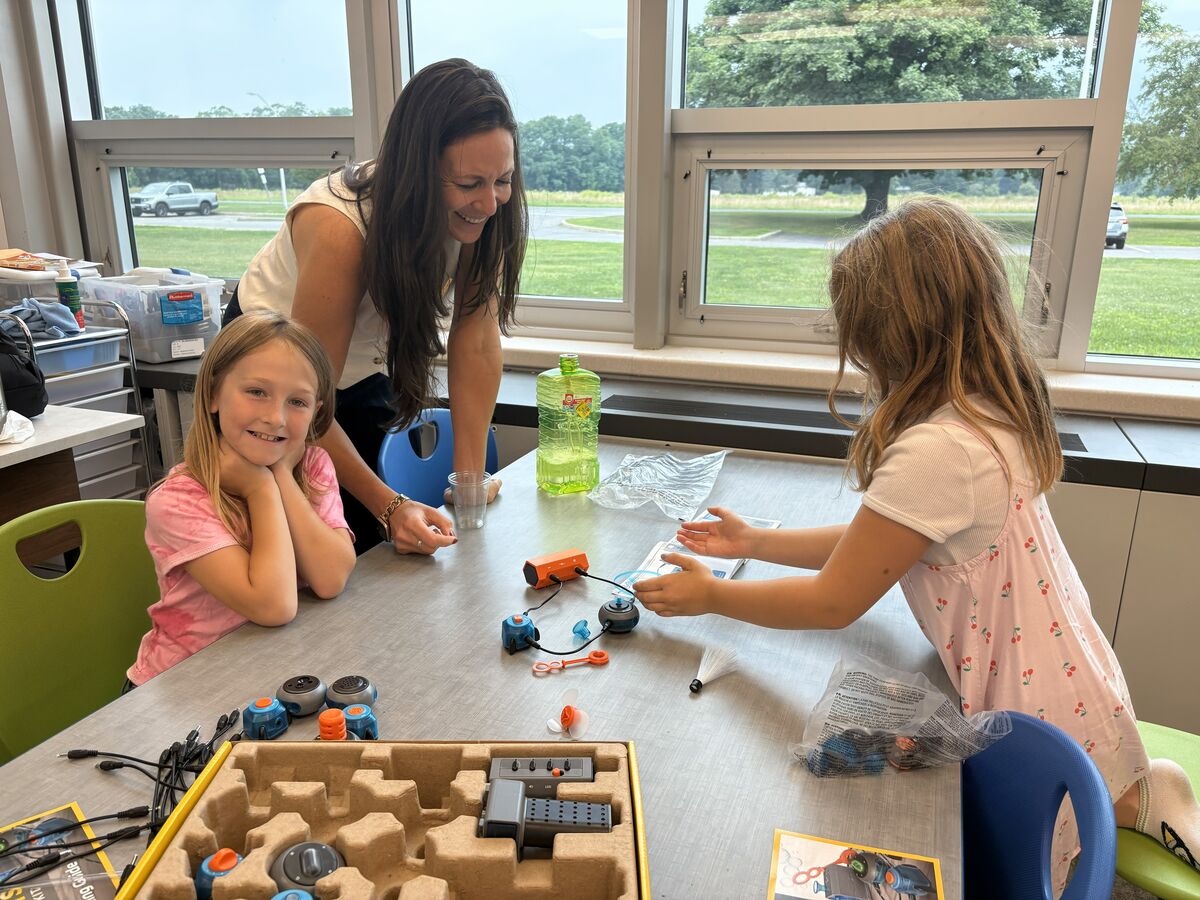 What do mini lamps, animal recovery habitats, and self-propelled boats have in common?
The students who attended Mill Road Elementary School’s second-annual STEAM Camp this week created one of each, in addition to other projects encouraging scientific and engineering exploration.
More than 20 students entering the third through fifth grades attended the camp, which is taught by Principal Dr. Brian Boyd, Assistant Principal Kristen Strothmann, STEAM teacher Sybil Bell and others. After a pilot camp last year, space in this summer’s addition filled with twice as many participants within two days of opening.
"With STEAM,” Boyd said, “when you're talking about science, technology and the arts all together, it gets kids excited about learning."
Students each day in the school’s 3-5 Innovation Center were given a challenge to solve and a wide range of materials to allow their imaginations free reign to explore solutions. At the beginning of the week, the students filled out an interest survey for teachers to know what branches of STEAM they were most interested in and were given a journal for recording progress.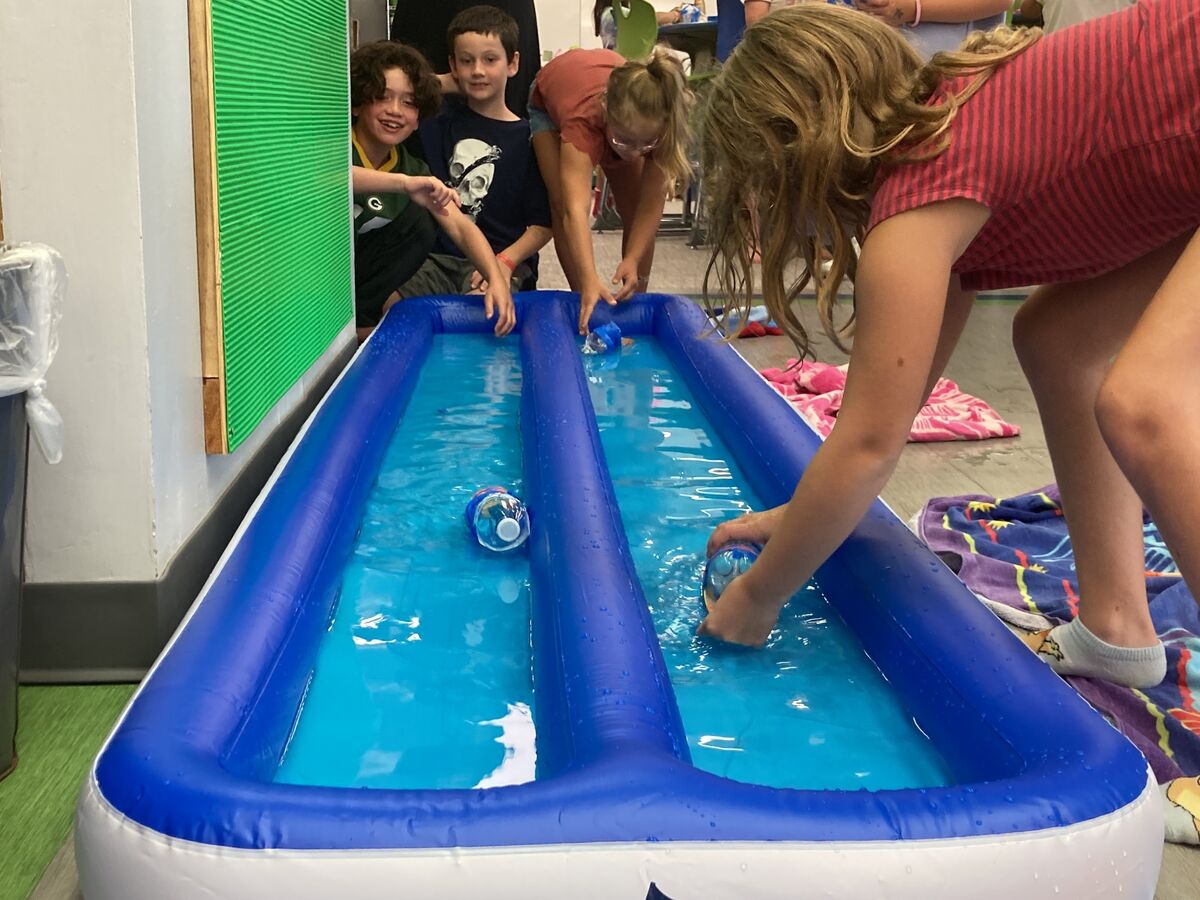 Each hands-on activity began with teachers reviewing with the students scientific vocabulary that applied to the assignment and, at the end, they reviewed what was learned using that terminology. Many of those words were repeated during the week.
Monday, students were allowed to pick from four animals, each with a different malady, and were asked to create a habitat out of in-classroom and outside materials that would not only provide shelter but also aid in its recovery.
“You had to make a sanctuary out of cardboard; you could grab stuff from outside … and you could paint it,” said Claire Lozano, a rising fifth grader, who opted to make an owl habitat. Though, she noted, her favorite activity came Tuesday, when the students explored circuitry, not only through pre-boxed kits available in the Innovation Center, but also by building mini lamps powered by double-A batteries.
“I just really like playing with circuits,” she said with a smile.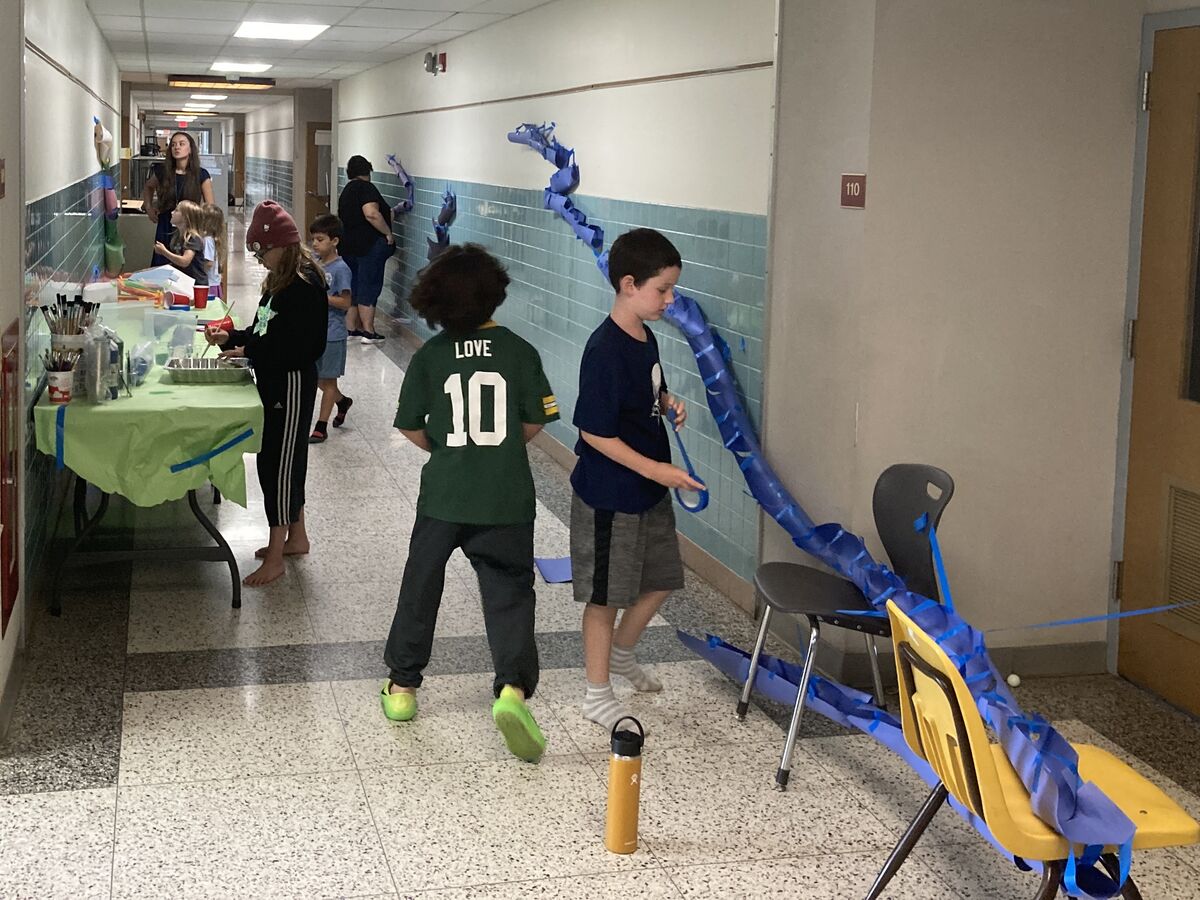 Wednesday, students needed to engineer paper ramps for ping pong balls, which not only needed to include a certain amount of turns but also keep rolling at least 20 seconds before landing safely in a cup. And Thursday, students were asked to become “nautical engineers” by making boats out of empty soda bottles or storage containers that would float through a 10-foot regatta-style pool using the tension from rubber bands and a propeller.
“We’re going to let you design this thing any way you want,” Dr. Boyd told them. “You have the materials you need. … We’re going to see if anybody can make it go the entire 10 feet.”
Though tongue depressors were the initial propeller of choice, there was a mad dash for plastic spoons once one boat – created by the principal himself – proved successful using the material. After more than roughly 40 minutes of experimenting, seven boats could complete the feat.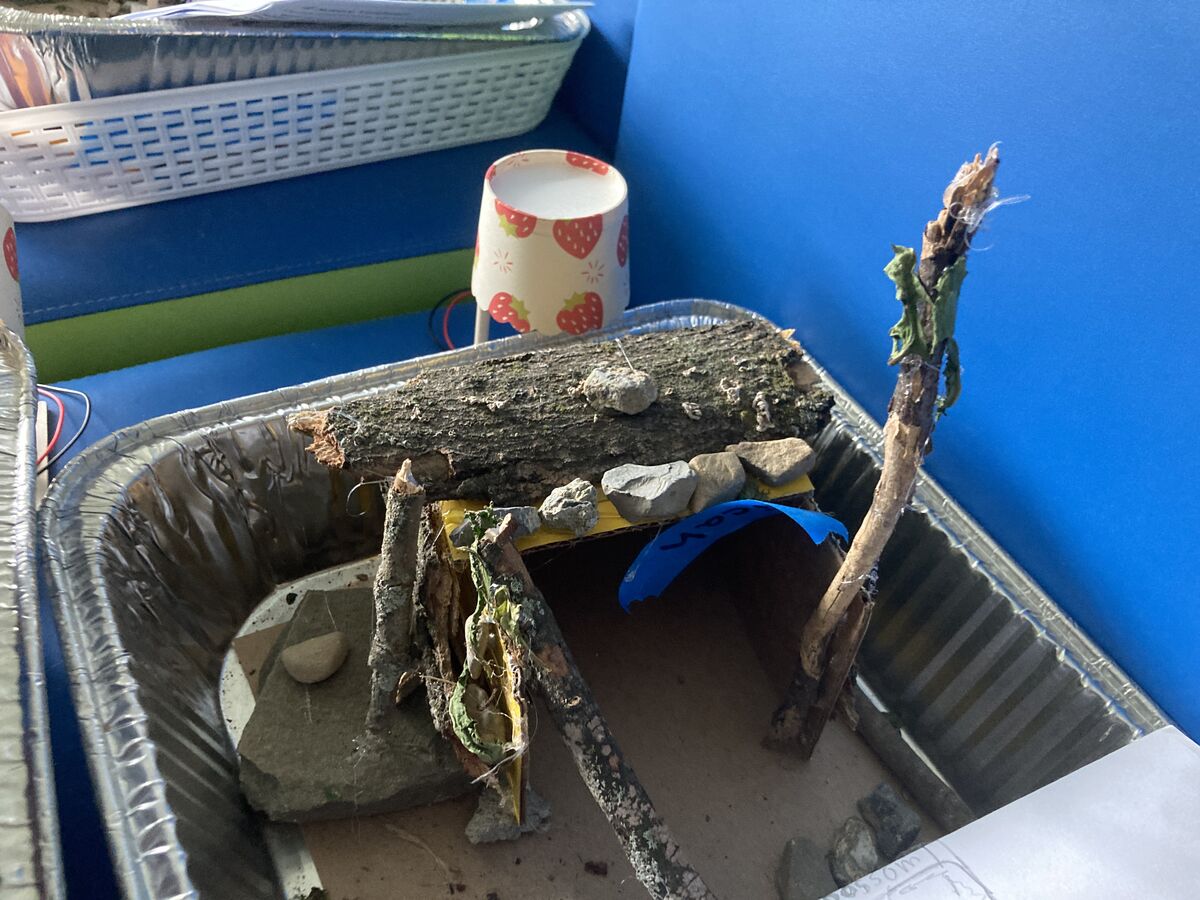 Friday, parents were invited into the classroom to see all that was accomplished in the week and students were allowed to bring their projects home.
The challenges were rarely simple. But successes weren’t the only thing the class celebrated; the teachers encouraged each to take pride when improvements to a design brought them closer to a goal, and innovative approaches were lauded loudly, sometimes even before being tested. Persistence, through hypothesis, testing and revisions, was the priority and the main lesson.
“Do engineers get their final design the first time?” Strothmann asked the students. “Not even close.”